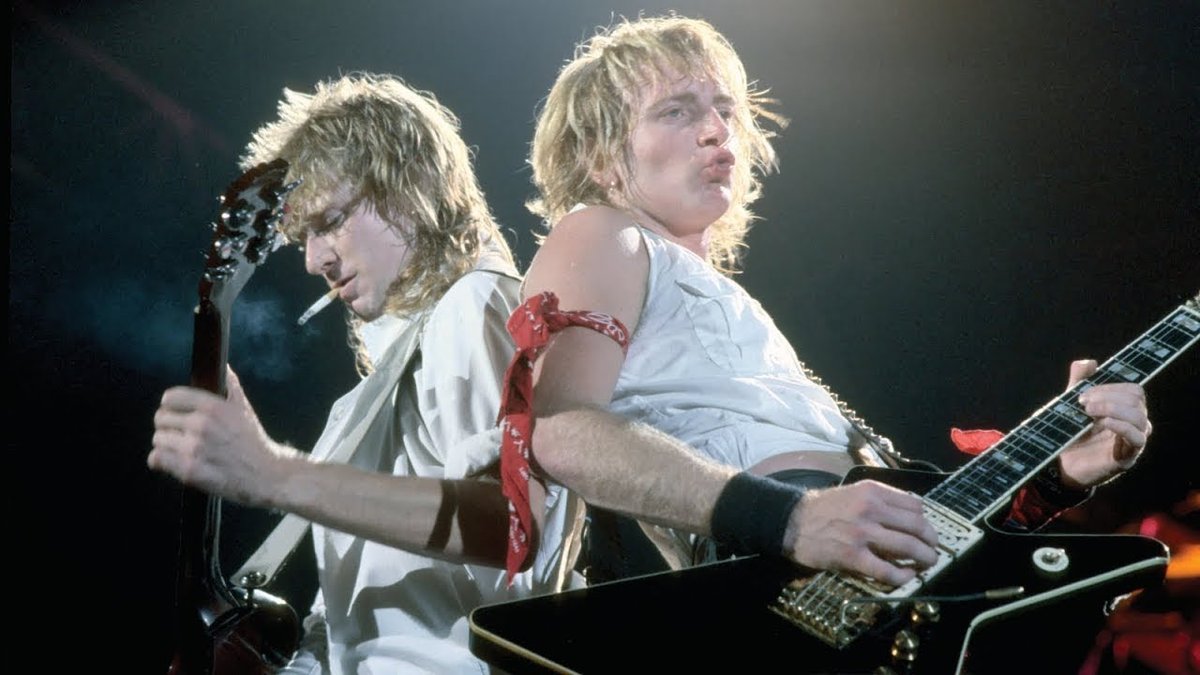
For the bigger picture and full context, make sure you read our main guide on Top Music Rock: The 25 Best Rock Songs Of All Time.
Rock music videos – they're more than just marketing tools. They're time capsules, miniature films, and often, works of art that define a generation. Think about the first time you saw Guns N' Roses in "November Rain" or Nirvana's chaotic "Smells Like Teen Spirit." These visuals stick with us, shaping how we experience the music.
At a glance:
- Discover how rock music videos evolved from simple performances to complex narratives.
- Understand the impact of MTV and online platforms on the genre.
- Identify key directors and their signature styles.
- Learn how to analyze the visual elements of a rock music video.
- Get inspired to create your own rock music visuals.
From Stage to Screen: The Evolution of Rock Visuals
Early rock visuals were basic – think performance footage repurposed for TV. But as budgets grew and artists became more ambitious, rock music videos transformed into mini-movies. Consider Queen's "Bohemian Rhapsody" (1975). While not a video in the modern sense, it pushed boundaries with its visual effects, multiple camera angles, and operatic storytelling… a sign of what was to come.
Then came MTV on August 1, 1981. "Video Killed the Radio Star" was the first video to be played. While not strictly rock, it signaled a new era where visuals were as crucial as the music itself, especially for the rock genre.
MTV's Reign and the Rise of Visual Storytelling
MTV's influence can't be overstated. It catapulted bands to superstardom and gave directors a platform to experiment. The visuals became as iconic as the songs themselves.
For example, Def Leppard's "Foolin'" became a staple due to its constant MTV airplay. Suddenly, a good song wasn't enough; you needed a killer video to break through. This era saw the rise of rock music videos that were cinematic, humorous, rebellious, and often controversial.
Key Players: Directors Who Shaped the Visual Landscape
Certain directors consistently delivered groundbreaking work:
- Samuel Bayer: Known for grittiness and angst, think Nirvana's "Smells Like Teen Spirit" and Blind Melon's "No Rain".
- Spike Jonze: Master of quirky and inventive visuals, see the Beastie Boys' "Sabotage".
- Steve Barron: Visual innovator behind A-Ha's "Take On Me" and Dire Straits’ "Money for Nothing".
- Tarsem Singh: Brings a grand, cinematic vision, as evident in R.E.M.'s "Losing My Religion."
These directors weren't just filming bands; they were creating visual art that amplified the song's message and emotional impact.
Analyzing the Elements: What Makes a Great Rock Music Video?
It's not always about special effects. A truly great video understands and complements the song. Here's what to consider:
- Concept: Does the video have a clear narrative or theme?
- Visuals: Are the images striking, memorable, and appropriate for the song?
- Performance: Does the band look engaged and energetic?
- Editing: Does the editing enhance the song's rhythm and flow?
- Innovation: Does the video offer something new or unexpected?
Take Guns N' Roses' "Sweet Child O' Mine." It's a simple concept – the band performing and spending time with their girlfriends. But its intimate, fly-on-the-wall perspective perfectly captures the song's emotional core. It doesn't need explosions or special effects to be powerful. For a ranked exploration of rock's best, Here are a few options, playing with slightly different angles: * Best Rock Songs Ever * See the top 25 songs * Explore Rock's greatest hits * 25 Timeless Rock Anthems * Greatest Rock Songs Ranked.
Beyond MTV: The Digital Revolution
While MTV was king for a long time, the internet changed everything. YouTube, Vimeo, and other platforms democratized music video creation and distribution. Bands no longer needed a huge budget or record label backing to create and share their videos. This led to a surge in independent rock music videos, often experimental and pushing boundaries in ways that mainstream videos couldn't.
The Modern Rock Music Video: Trends and Innovations
Today, rock music videos are as diverse as the genre itself. You'll see:
- Lyric Videos: Simple and effective, especially for complex or poetic lyrics.
- Animated Videos: Offering limitless possibilities for visual storytelling.
- Interactive Videos: Allowing viewers to influence the narrative.
- 360° Videos: Immersing viewers in the performance.
Electric Six's "Danger! High Voltage" is a prime example of a low budget video that works due to its sheer absurdity.
Building Your Own Visual: A Rock Music Video Playbook
Want to create your own rock music video? Here’s a practical approach:
- Understand the Song: What's the song about? What's its mood and message?
- Conceptualize: Brainstorm ideas that complement the song. Don't be afraid to think outside the box.
- Plan Your Shoot: Create a storyboard, scout locations, and gather equipment.
- Execute: Shoot your video, focusing on performance and visual storytelling.
- Edit: Polish your footage, adding effects and transitions as needed.
- Promote: Share your video online and engage with your audience.
Pitfalls to Avoid:
- Overspending: Start small and build up as you gain experience.
- Ignoring the Song: The video should always serve the music, not distract from it.
- Lack of Planning: A well-planned shoot will save you time and money in the long run.
Quick Answers: Common Questions About Rock Music Videos
Q: What's the difference between a music video and a performance video?
A: A music video is a standalone work of art that uses visuals to enhance the song's message, while a performance video simply shows the band playing the song.
Q: Do you need a huge budget to make a good rock music video??
A: No. Creativity and a strong concept are more important than a big budget. Many iconic rock music videos were made on a shoestring.
Q: What Software can I use to edit rock music videos?
A: There are several options. For example, Adobe Premiere Pro and Final Cut Pro are industry standards, offering a wide range of features. DaVinci Resolve is also a great option, it offers free and paid version.
Q: How long should a rock music video be?
A: Typically, a music video matches the length of the song it accompanies, usually between three and five minutes. However, longer, more cinematic videos are also common, particularly for epic rock anthems.
Q: Is MTV still relevant for rock music videos?
A: While MTV's focus has shifted, it still occasionally features rock music videos. However, online platforms like YouTube and Vimeo are now the primary channels for discovering new rock visuals.
Actionable Close: Your Visual Journey Starts Now
Rock music videos continue to evolve, driven by technology and artistic vision. Whether you're a musician, filmmaker, or simply a fan, explore the genre's rich history and embrace its future. Start brainstorming ideas, grab your camera, and unleash your creativity. The next iconic rock music video could be yours.