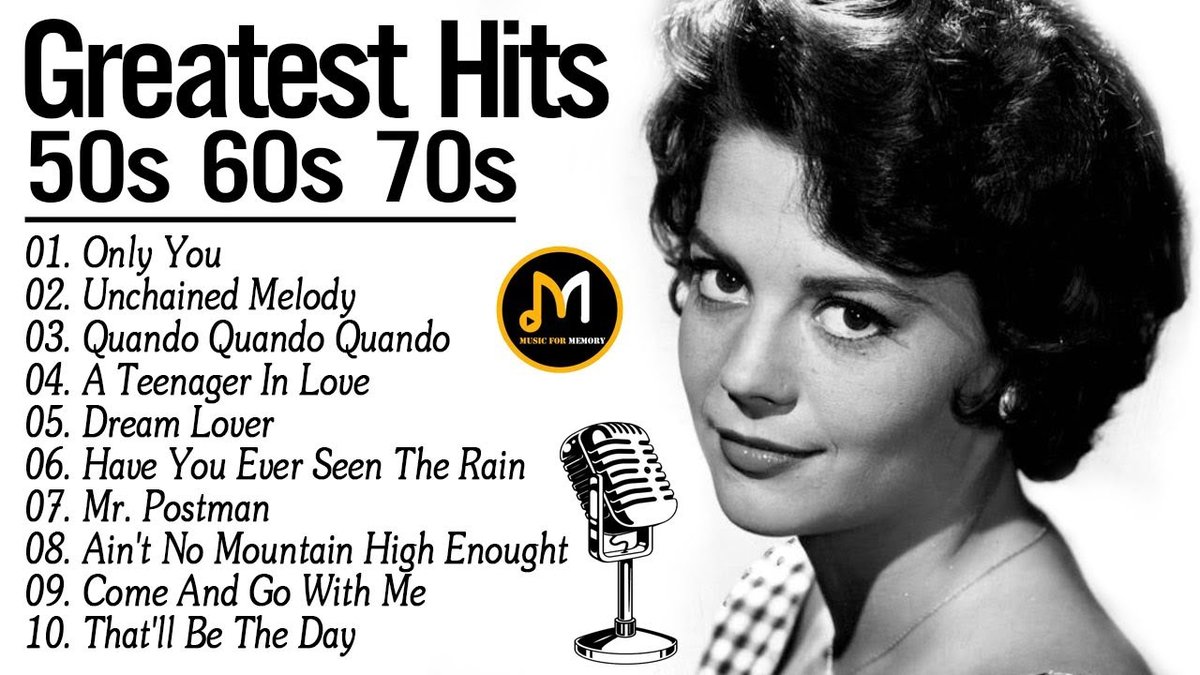
The 1960s. A decade of change, upheaval, and some seriously unforgettable music. If you're looking to dive back into the era of bell bottoms, tie-dye, and iconic tunes, you’ve come to the right place. We're exploring the very best oldies songs 60s had to offer, from the British Invasion to the soulful sounds of Motown.
At a glance:
- The 1960s saw a massive shift in music, influenced by cultural and social changes.
- British bands like The Beatles and The Rolling Stones took over the airwaves.
- Motown brought soul and pop together, creating a unique sound.
- Folk and psychedelic rock genres expanded the musical landscape.
- Many songs became anthems, reflecting the spirit of the decade.
The Soundtrack of a Generation: What Made 60s Music Special
What makes a song an "oldie," anyway? It's more than just age. It's about capturing a feeling, a moment in time. The 1960s was a melting pot of musical styles, reflecting the social and political changes happening all around. From the Vietnam War protests to the Civil Rights Movement, music became a powerful voice for a generation.
Think about it: before the 60s, music was often more polished and predictable. Then came the raw energy of rock and roll, the heartfelt lyrics of folk, and the infectious rhythms of soul. It was a musical revolution.
The British Invasion: When the UK Rocked America
Imagine the scene: Suddenly, bands from across the pond were dominating the American charts. This was the British Invasion, led by none other than The Beatles. Their arrival wasn't just about catchy tunes; it was a cultural phenomenon. Tunjangan DPR Naik? Simak Ini
The Beatles' impact was undeniable. They weren't just musicians; they were trendsetters. Their music, fashion, and even their hairstyles influenced a generation. They hold the record for most Top 40 hits in the 1960s – a testament to their popularity.
Of course, they weren't alone. The Rolling Stones brought a bluesier, more rebellious sound, while bands like The Who and The Animals added their own unique flavors to the mix.
Motown: The Sound of Young America
While the British Invasion was shaking things up, something equally significant was happening stateside. In Detroit, a record label called Motown was changing the face of soul music.
Motown, founded by Berry Gordy Jr., wasn't just about making hits; it was about creating a sound that appealed to everyone, regardless of race or background. Artists like The Supremes, The Temptations, Marvin Gaye, and Stevie Wonder churned out hit after hit, blending soulful vocals with catchy melodies and unforgettable hooks.
Motown's influence extended far beyond the music charts. It helped break down racial barriers and promote a message of unity and hope. Songs like "My Girl" by The Temptations and "Ain’t No Mountain High Enough" by Marvin Gaye & Tammi Terrell became instant classics.
Folk and Psychedelic Rock: Exploring New Frontiers
As the 60s progressed, music began to explore deeper, more introspective themes. Folk music, with its emphasis on storytelling and social commentary, gained popularity. Artists like Bob Dylan became the voice of their generation, writing songs that challenged the status quo and questioned authority. "Like a Rolling Stone" remains one of Dylan's most iconic tracks.
Meanwhile, on the West Coast, a new genre was emerging: psychedelic rock. Bands like Jefferson Airplane and The Doors experimented with new sounds and lyrical themes, reflecting the growing counterculture movement. Think swirling guitars, dreamy vocals, and lyrics that explored the inner reaches of the mind.
Garage Rock: Raw and Untamed
Before stadium rock and elaborate productions, there was garage rock. This raw, energetic sound was born in garages across America, fueled by young musicians with a passion for playing. Bands like The Kingsmen and The Sonics epitomized this genre, with their simple but powerful songs. Garage rock was a precursor to punk rock, proving that you didn't need fancy equipment or training to make great music.
Top Oldies Songs 60s: A Playlist for the Ages
Alright, let's get to the good stuff: the songs! Compiling a definitive list of the "best" oldies songs 60s is impossible – music is subjective, after all. But these are some of the most influential and beloved tracks of the decade, songs that continue to resonate with listeners today.
Here's a selection that spans genres and styles:
- "Respect" – Aretha Franklin: An anthem of empowerment.
- "I Can't Get No Satisfaction" – The Rolling Stones: Pure rock and roll rebellion.
- "Hey Jude" – The Beatles: A timeless ballad.
- "Good Vibrations" – The Beach Boys: A groundbreaking piece of pop perfection.
- "My Girl" – The Temptations: Classic Motown romance.
- "What a Wonderful World" – Louis Armstrong: A hopeful message for troubled times.
- "California Dreamin'" – The Mamas & The Papas: A folk-rock masterpiece.
- "Fortunate Son" – Creedence Clearwater Revival: A blistering critique of social inequality.
- "House of the Rising Sun" – The Animals: A haunting folk song with a rock edge.
- "Space Oddity" - David Bowie: A glimpse into the future of music.
- "Stand By Me" - Ben E. King: Soulful and timeless.
This is just a starting point, of course. There are countless other gems waiting to be discovered. Don't be afraid to explore beyond the familiar and discover your own personal favorites.
How to Build Your Own 60s Playlist
Creating a playlist of oldies songs 60s is a journey of discovery. Here’s how to make the most of it:
- Start with the Classics: Begin with the tracks listed above. These are the foundation of any good 60s playlist.
- Explore Different Genres: Don't limit yourself to one style. Dive into Motown, folk, rock, and everything in between.
- Listen to Compilations: Many "Best of the 60s" compilations are available on streaming services. These are a great way to discover new artists and songs.
- Dig Deeper: Once you've explored the hits, start looking for lesser-known tracks. You might be surprised at what you find!
- Consider Soundtracks: Movies like American Graffiti and Good Morning, Vietnam feature fantastic soundtracks that capture the spirit of the 60s.
- Ask for Recommendations: Talk to friends, family, or online communities for suggestions.
Beyond the Music: Understanding the Cultural Context
The music of the 1960s wasn't created in a vacuum. It was a product of its time, reflecting the social, political, and cultural changes happening all around. To truly appreciate these songs, it's helpful to understand the context in which they were made.
Consider these factors:
- The Civil Rights Movement: The struggle for racial equality had a profound impact on music. Many songs addressed themes of freedom, justice, and equality.
- The Vietnam War: The war in Vietnam divided the nation and fueled anti-establishment sentiment. Protest songs became a powerful form of expression.
- The Counterculture: The rise of the counterculture challenged traditional values and promoted a message of peace, love, and personal freedom.
- Technological Advancements: The development of new recording technologies allowed musicians to experiment with new sounds and techniques.
Understanding these factors will give you a deeper appreciation for the music of the 1960s and its enduring legacy.
Why 60s Music Still Matters Today
Decades after they were first released, oldies songs 60s continue to resonate with listeners of all ages. Why?
- Timeless Melodies: Many of these songs feature melodies that are simply unforgettable. They stick in your head and make you want to sing along.
- Powerful Lyrics: The lyrics often address universal themes of love, loss, hope, and struggle. They speak to the human experience in a way that transcends time.
- Nostalgia: For many people, these songs evoke fond memories of their youth. They transport them back to a simpler time.
- Cultural Significance: The music of the 1960s helped shape the cultural landscape. It challenged norms, promoted social change, and inspired generations.
- Pure Enjoyment: Ultimately, these songs are just plain fun to listen to. They make you want to dance, sing, and celebrate life.
The 60s created enduring hits, some of which are still heard in modern music Tunjangan DPR Naik? Simak Ini. The decade was revolutionary for the music industry.
Common Misconceptions About 60s Music
Let’s clear up a few common misconceptions about music from the 60s.
- "It's all just bubblegum pop." While bubblegum pop certainly existed (The Monkees being a prime example), the 60s also saw the rise of complex and sophisticated music across multiple genres.
- "It's only for old people." Music is timeless, and many young people today are discovering the joys of 60s music.
- "It's all about drugs." While drug use was certainly a part of the counterculture, it's important to remember that not all 60s music was drug-related. Many songs addressed other themes, such as love, peace, and social justice.
- "It's outdated." While the sound of 60s music may be different from today's pop, it still has a freshness and vitality that continues to inspire musicians and listeners alike.
Taking Your Love of 60s Music Further
Ready to take your appreciation for oldies songs 60s to the next level? Here are a few ideas:
- Attend a 60s-themed concert or event: Many tribute bands and artists still perform the music of the 60s.
- Watch documentaries about the 60s music scene: Films like The Beatles: Get Back and Woodstock offer a fascinating glimpse into the era.
- Read books about the 60s: There are countless books about the music, culture, and politics of the 1960s.
- Explore the music of lesser-known artists: Don't just stick to the hits. Dive into the catalogs of smaller bands and artists to discover hidden gems.
- Create your own 60s-inspired art or fashion: Let the music inspire your creativity.
The 1960s produced some of the most influential and enduring music of all time. So, crank up the volume, put on your dancing shoes, and let the good times roll!