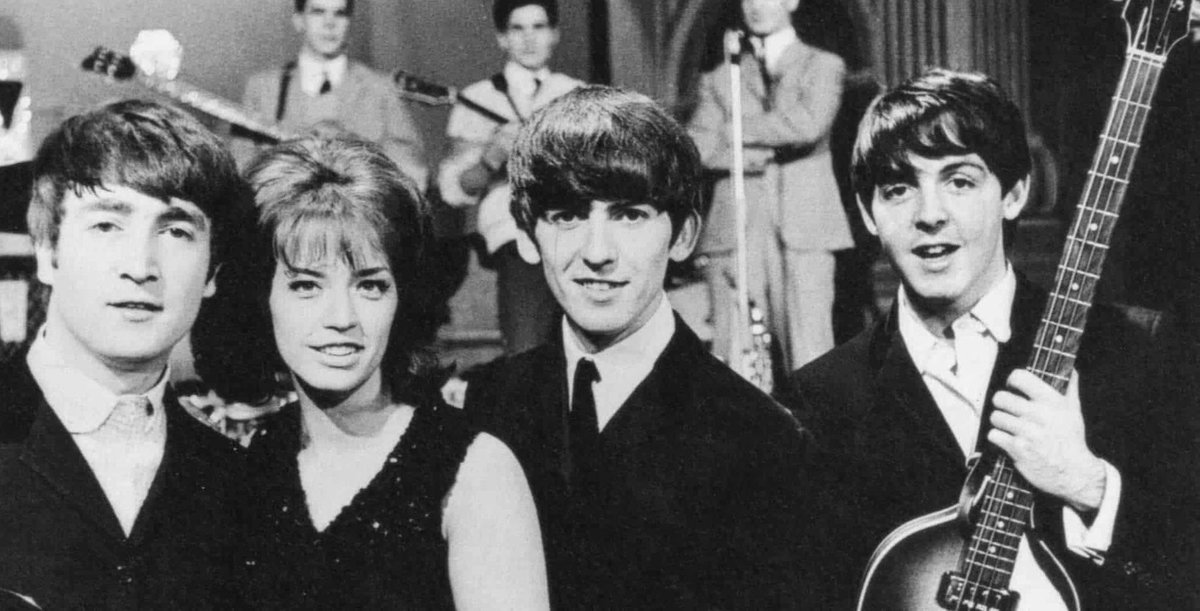
The 1960s: a decade of vibrant change, political upheaval, and, of course, some of the greatest 60s rock songs ever written. But with so much amazing music, how do you separate the iconic from the merely popular? Billboard's charts provide a solid foundation, reflecting what resonated most widely at the time.
At a glance:
- Discover hit songs that defined the 1960s across diverse genres, from The Beatles to The Beach Boys.
- Understand the social and cultural context behind the popularity of these chart-toppers.
- Gain insight into the musical innovations that shaped the sound of rock and roll.
- Identify overlooked gems and understand why they resonated with audiences then (and sometimes now).
- Learn practical ways to curate your own greatest 60s rock songs playlist.
Beyond Just the Music: Understanding the 60s Zeitgeist
The greatest 60s rock songs didn't emerge in a vacuum. The decade was a pressure cooker of social change: the Civil Rights movement, the Vietnam War, and a burgeoning counterculture. These events shaped the music, and the music, in turn, shaped the culture. To truly appreciate these songs, you need to understand the context.
Consider Bob Dylan's "Like a Rolling Stone." Released in 1965, it wasn't just a song; it was a statement. Its length (over six minutes!), its poetic lyrics, and its fusion of folk and rock challenged musical conventions. It resonated with a generation questioning authority and seeking something more profound.
Decoding Billboard: More Than Just Numbers
While Billboard charts reflect commercial success, they also offer a glimpse into evolving tastes. Early 60s hits often leaned towards cleaner, more polished sounds, like The Shirelles' "Soldier Boy" or Chubby Checker's "Pony Time." While enjoyable, these tracks represent a different facet of the decade compared to the later, more experimental sounds.
As the decade progressed, the charts began to reflect the growing influence of the British Invasion and psychedelic rock. The Beatles, The Rolling Stones, and The Who pushed boundaries, and their chart success signaled a shift in mainstream acceptance. For a broader view of the eras chart toppers, check out this resource on Chart-topping 1960s rock hits.
Genre Bending: How the 60s Redefined Rock
One of the defining characteristics of the greatest 60s rock songs is their genre-bending nature. Artists weren't afraid to experiment, and the result was a kaleidoscope of sounds.
Here's a breakdown of some key trends:
- The British Invasion: The Beatles, The Rolling Stones, The Kinks – these bands brought a raw energy and blues-infused sound that revitalized American rock. The Kinks' "You Really Got Me" with its distorted guitar riff, is a prime example.
- Psychedelic Rock: The Doors, Jimi Hendrix, Jefferson Airplane – these artists explored altered states of consciousness through music, using innovative studio techniques and experimental instrumentation. The Doors' "Light My Fire" is a classic example, stretching beyond 7 minutes in its album version.
- Folk Rock: Bob Dylan, The Byrds – These artists blended folk music's lyrical depth with rock's energy. Dylan's "Like a Rolling Stone" set the standard.
- Surf Rock: The Beach Boys – With their intricate harmonies and sunny melodies, The Beach Boys captured the California lifestyle. "Good Vibrations" showcased a level of studio innovation rarely seen before.
- Soul/R&B Influence: Artists like Aretha Franklin infused rock with the raw emotion and energy of soul and R&B, resulting in powerful anthems. "Respect" became an anthem for the Civil Rights movement and female empowerment.
Unsung Chart Toppers: Discovering Hidden Gems
While the usual suspects (Beatles, Stones, Hendrix) dominate "best of" lists, the Billboard charts also reveal some lesser-known gems that deserve a listen.
Here are a few examples:
- The Tornados - "Telstar": This instrumental track, released in 1962, is a pioneering example of electronic rock. Its otherworldly sounds were groundbreaking for the time.
- Paul Mauriat - "Love is Blue": An instrumental easy listening hit that also topped rock charts. Its surprising popularity shows the musical diversity prevalent in the decade.
- The New Vaudeville Band - "Winchester Cathedral": A quirky song inspired by British Music Hall, highlighting playful throwback influences that shaped the decade's diverse soundscape.
Controversial Hits: When Popularity Doesn't Equal Perfection
Not all chart-topping songs age gracefully. Some, while popular at the time, are now viewed through a more critical lens.
- Johnny Preston's "Running Bear": This song, while a number one hit, is now criticized for its stereotypical portrayal of Native Americans.
- Paul & Paula's "Hey Paula": While sweet, the song is often deemed cheesy by modern standards.
Recognizing these issues is crucial for understanding the complexities of the 1960s and the evolving standards of cultural sensitivity.
Creating Your Ultimate 60s Rock Playlist: A Practical Guide
Ready to build your own playlist filled with the greatest 60s rock songs? Here's a step-by-step approach:
- Start with the Essentials: Include the obvious hits: The Beatles' "Hey Jude," The Rolling Stones' "Satisfaction," Bob Dylan's "Like a Rolling Stone," Aretha Franklin's "Respect".
- Explore Different Genres: Don't limit yourself to one style. Add tracks from surf rock (The Beach Boys), psychedelic rock (The Doors, Jimi Hendrix), and folk rock (The Byrds).
- Dive Deeper into Albums: Many greatest 60s rock songs weren't singles, but album cuts. Explore albums like Sgt. Pepper's Lonely Hearts Club Band (The Beatles), Are You Experienced? (Jimi Hendrix Experience), and Pet Sounds (The Beach Boys).
- Consider the Context: As you add songs, think about the social and cultural events that shaped the music. This will deepen your appreciation.
- Don't Be Afraid to Experiment: Add some lesser-known tracks and see what resonates with you. You might discover a new favorite!
Featured Snippet Friendly Q&A: Addressing Common Questions
Q: What makes a song a "greatest 60s rock song"?
A: It's a combination of factors: chart success (reflecting popularity at the time), musical innovation (pushing boundaries), lyrical depth (addressing important themes), and lasting impact (influencing future generations).
Q: Were all the chart-topping songs actually "good"?
A: Not necessarily. Chart success reflects popularity, not inherent quality. Some popular songs may seem dated or even offensive today.
Q: Where can I find more information about specific 60s rock songs?
A: Websites like AllMusic, Wikipedia, and music history databases offer detailed information about individual songs, albums, and artists.
Q: How did the Billboard charts influence the music of the 1960s?
A: The Billboard charts provided a platform for artists to reach a wider audience. Chart success could lead to increased record sales, concert bookings, and overall recognition. At the same time, the pursuit of chart success could also influence artists to create more commercially viable music.
Your 60s Rock Journey Starts Now
Creating the perfect playlist of the greatest 60s rock songs is a personal journey. There's no one "right" answer. Use the Billboard charts as a starting point, explore different genres, and consider the social and cultural context. Most importantly, listen with an open mind and discover the music that speaks to you.