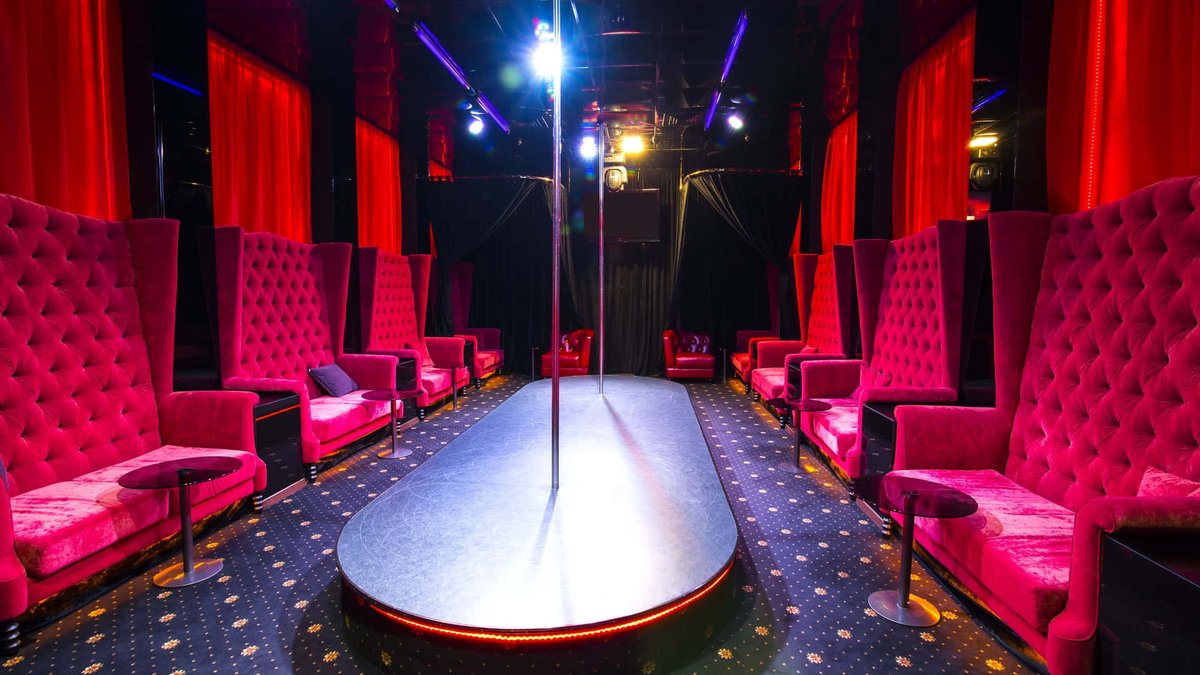
Remember those nights? The pulsating bass, the flashing lights, the collective euphoria of bodies moving as one? The club songs 2000 to 2010 weren't just music; they were the soundtrack to a generation's nights out, marking a pivotal shift in dance music's global dominance. They were the anthems that defined an era, blending genres and forging new sounds that still resonate today.
At a glance:
- The 2000s saw an explosion of dance music, fueled by the energy of the 90s rave scene and the rise of club-oriented pop.
- Artists like Daft Punk, David Guetta, and Swedish House Mafia bridged the gap between underground clubs and mainstream radio.
- The Dance/Mix Show Airplay chart, launched in 2003, captured the growing influence of dance music on the airwaves.
- The decade was a melting pot of genres, from electro-house and trance to pop and hip-hop collaborations.
- Female artists like Lady Gaga, Rihanna, Beyoncé, and Katy Perry dominated the charts with multiple number-one hits.
How the Club Scene Evolved in the Early 2000s
The turn of the millennium brought more than just Y2K anxieties; it ushered in a new era for club music. The sounds of the '90s, particularly rave and Eurodance, laid the groundwork for what was to come. But the 2000s saw a greater fusion of styles, a willingness to experiment, and a push toward the mainstream.
One key factor was the growing accessibility of music production technology. Suddenly, bedroom producers could create tracks that sounded as polished as anything coming out of a major studio. This democratization of music creation led to a surge of new talent and a diversification of sounds. The other factor was the rise of internet file sharing; this was the era of Napster and LimeWire, where millions had access to music from all genres.
The Rise of Dance-Pop Crossover Hits
The genius of the 2000s club scene was its ability to blend the underground with the mainstream. Daft Punk, with their iconic helmets and infectious grooves, were masters of this art. They took vintage house and disco sounds and transformed them into chart-topping hits like "One More Time" and "Around the World." These weren't just club songs; they were cultural moments, uniting seasoned clubbers with casual pop fans.
Other artists followed suit, creating a new breed of dance-pop that was both edgy and accessible. David Guetta, Calvin Harris, and Swedish House Mafia took the upbeat sounds of electro-house, trance, and progressive house and crafted them into festival-ready anthems. These tracks were tailor-made for radio play, catapulting them to the top of the charts and setting the stage for the EDM boom of the 2010s.
The Dance/Mix Show Airplay Chart: Measuring the Impact
In 2003, Billboard launched the Dance/Mix Show Airplay chart, a significant indicator of dance music's growing influence. This chart ranked songs based on dance radio airplay and mix-show plays on Top 40 radio and select rhythmic radio stations. It was a way of quantifying the popularity of club songs beyond the confines of the clubs themselves.
The chart provided valuable insights into which tracks were resonating with wider audiences and helped to legitimize dance music as a force to be reckoned with in the broader pop landscape. It also highlighted the importance of DJs and mix-show hosts in breaking new tracks and building momentum for artists.
The Female Powerhouses of the Club Scene
The 2000s club scene wasn't just about the DJs and producers; it was also about the voices that soared over the pulsating beats. Female artists dominated the charts, delivering iconic vocal performances that defined the decade.
Lady Gaga, with her boundary-pushing style and theatrical performances, was a force of nature. Her song "Bad Romance" topped the Dance/Mix Show Airplay chart at the end of 2009, holding the number one position for two weeks. Your favorite 2000s party anthems Other female artists like Rihanna, Beyoncé, Katy Perry, and Kylie Minogue also achieved multiple number-one hits, solidifying their status as queens of the club scene.
Iconic Club Songs From 2000-2010
Here's a glimpse into some of the tracks that defined the era:
- Daft Punk - "One More Time": The ultimate feel-good anthem that still fills dance floors today.
- Benny Benassi - "Satisfaction": Instantly recognizable for its distorted synth riff.
- Eric Prydz - "Call On Me": A progressive house classic with a controversial music video.
- David Guetta ft. Kelly Rowland - "When Love Takes Over": A defining moment in the crossover between house music and pop.
- Lady Gaga - "Bad Romance": A dark and theatrical masterpiece that showcases Gaga's artistry.
- Rihanna - "Don't Stop the Music": The song that just makes you want to move.
- Black Eyed Peas - "I Gotta Feeling": An uplifting party anthem ready for any occasion.
Genre-Bending: The Fusion of Sounds
One of the most exciting aspects of the club songs 2000 to 2010 was the willingness to experiment with different genres. Hip-hop artists collaborated with house producers, pop singers embraced electronic beats, and trance DJs incorporated elements of rock and classical music.
This fusion of sounds created a dynamic and unpredictable landscape where anything was possible. It challenged the traditional boundaries of genre and opened up new avenues for creativity. The result was a collection of tracks that were both innovative and infectious, pushing the boundaries of what club music could be.
The Influence of Technology on Music Production
The technological advancements of the 2000s had a profound impact on music production. The rise of digital audio workstations (DAWs) like Ableton Live and Logic Pro made it easier than ever for artists to create and manipulate sounds. Software synthesizers and samplers became more powerful and affordable, giving producers a vast palette of sonic tools to work with.
The internet also played a crucial role, connecting artists from around the world and fostering collaborations that would have been impossible just a few years earlier. Online forums and communities provided a space for producers to share tips, exchange ideas, and get feedback on their work.
Common Questions About Club Music from 2000-2010
- What was the most popular genre of club music in the 2000s? There wasn't one single dominant genre. Electro-house, trance, progressive house, and dance-pop were all incredibly popular. The beauty of the era was the fusion of different styles.
- Who were the most influential DJs of the 2000s? David Guetta, Tiësto, Paul van Dyk, and Armin van Buuren were all major players, shaping the sound of the decade and headlining festivals around the world.
- How did the club scene change after 2010? The EDM boom took hold, with a focus on big drops and stadium-sized sounds. While some embraced this shift, others yearned for the more nuanced and experimental sounds of the earlier decade.
Recreating the 2000s Club Vibe Today
Want to bring back that energy? Here are a few tips:
- Curate a playlist: Start with the iconic tracks mentioned above, then dive deeper into specific genres or artists that you enjoy.
- Find a good sound system: The right sound system can make all the difference. Invest in quality speakers and a subwoofer to really feel the bass.
- Create the right atmosphere: Dim the lights, add some strobe lights or lasers, and maybe even a fog machine for a truly immersive experience.
- Don't forget the visuals: Project music videos or abstract visuals onto a wall to add another layer of sensory stimulation.
Beyond the Music: The Culture of the Clubs
It wasn't just the songs themselves but the culture surrounding them. Looking at the outfits, the dance moves, and the energy is like stepping back in time -- the music was, and still is, intrinsically tied to the specific cultural context of the time.
You also saw many more collaborations than in previous periods. The success of one artist propelled the success of others. Looking at the Dance/Mix Airplay chart shows how many collaborations took top positions.
The Legacy of Club Songs 2000 to 2010
The club songs 2000 to 2010 left an indelible mark on music history. They bridged the gap between underground clubs and mainstream radio, fused genres in innovative ways, and showcased the talents of a new generation of artists. These songs continue to be enjoyed and celebrated. Your favorite 2000s party anthems Their influence can still be heard in contemporary dance music.
So, next time you're looking for a dose of nostalgia or inspiration, revisit the club songs of the 2000s. You might be surprised at what you discover.