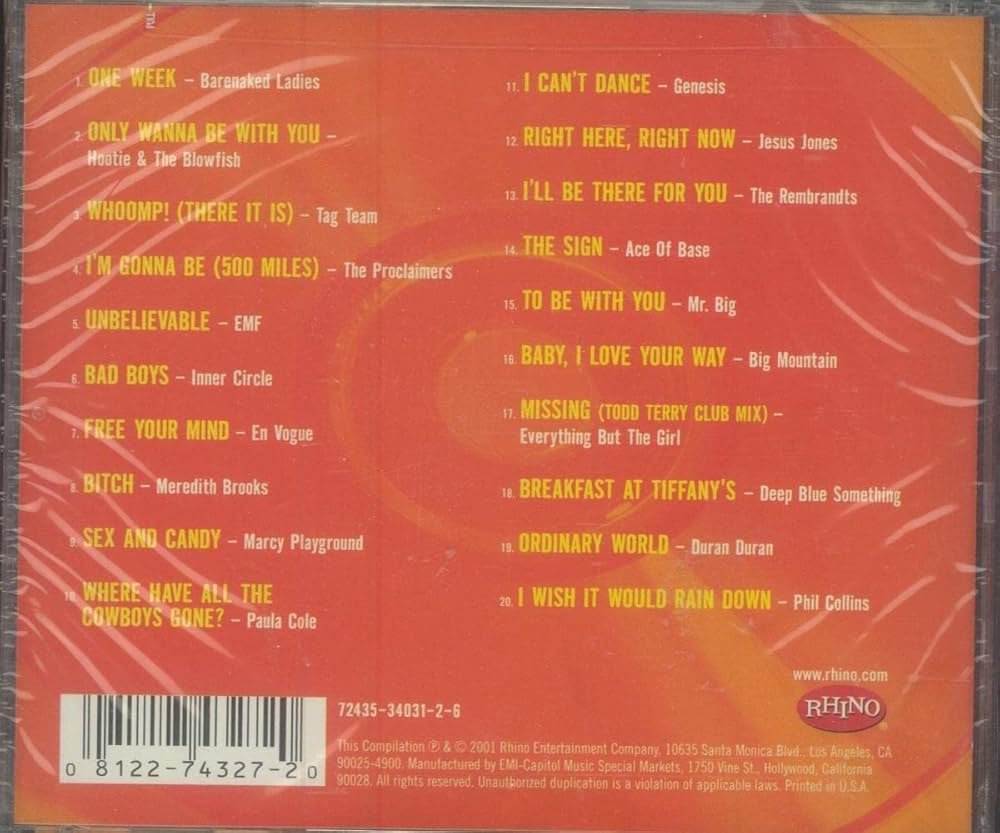
Remember dial-up internet, scrunchies, and waiting for your favorite song to play on the radio so you could tape it? The '90s were a unique time for music, and the billboard top hits of the 90s soundtracked it all. From grunge anthems to infectious dance-pop, the decade delivered a diverse range of sounds that continue to resonate today. But which songs truly defined the era? Let's dive in and explore the biggest hits, the artists who made them, and the cultural impact they had.
At a glance:
- The 90s were a melting pot of genres: grunge, R&B, hip-hop, pop all topped the charts.
- Artists like Nirvana, Mariah Carey, and Boyz II Men dominated the airwaves.
- Billboard charts considered radio airplay, single sales, downloads, and streaming data to determine the top songs.
- Certain songs became cultural touchstones, influencing fashion and attitudes.
- The decade saw the rise of new genres and the mainstreaming of others.
Deciphering the Billboard Charts: More Than Just Sales
The Billboard charts are the gold standard for measuring music popularity in the US. But what exactly determines a song's place on the chart? Throughout the 90s, Billboard evolved its methodology to reflect changing consumption habits. The primary factors that determine a song's placement, even back then, included a combination of radio airplay, single sales, and, eventually towards the end of the decade, the earliest forms of music downloads. Today, streaming data also plays a significant role. Understanding these factors helps appreciate why certain songs resonated so strongly and achieved chart-topping success.
Grunge Takes Center Stage: "Smells Like Teen Spirit" and the Alternative Revolution
The early 90s witnessed the seismic shift that was grunge. Hailing from Seattle, bands like Nirvana, Pearl Jam, and Soundgarden brought angsty lyrics, distorted guitars, and a raw energy that resonated with a generation. And no song encapsulated this movement better than Nirvana's "Smells Like Teen Spirit." This song wasn't just a hit; it was a cultural phenomenon, quickly becoming what many feel is one of the most successful and culturally impactful songs of the 1990s and signaling the arrival of grunge music. While alternative rock had flirted with the mainstream before, "Smells Like Teen Spirit" kicked the door wide open.
Pop Powerhouses: Divas, Boy Bands, and Dance Crazes
While grunge dominated the alternative scene, pop music reigned supreme on the Billboard charts. The 90s were an era of iconic divas like Mariah Carey and Whitney Houston, each possessing incredible vocal ranges and crafting timeless ballads. Boyz II Men redefined the sound of R&B with their smooth harmonies and emotional delivery.
Whitney Houston's cover of Dolly Parton's "I Will Always Love You," from The Bodyguard soundtrack, became one of the biggest pop hits of all time. It dominated the chart for weeks and remains a karaoke staple to this day. One-hit wonders also had their moment. Who could forget the infectious "Whoomp! (There It Is)" by Tag Team, a popular party single that still gets people moving today?
Then there was Los Del Rio's "Macarena," a song that became an instant hit, and quickly became a classic at parties and weddings. The accompanying dance craze swept the world, proving the power of a catchy tune and simple choreography. Did you ever learn the Macarena?
Hip-Hop's Ascendance: From the Underground to the Mainstream
Hip-hop continued its evolution in the 90s, moving from its underground roots to achieve mainstream dominance. Artists like Tupac Shakur, The Notorious B.I.G., and Jay-Z pushed the boundaries of the genre, experimenting with new sounds and addressing social issues in their lyrics. You can see the influences even in pop hits. Coolio's "Gangsta's Paradise" featuring L.V., tackled complex social commentary on ghetto life and became a massive commercial success, demonstrating the power of hip-hop to engage with serious topics while still connecting with a wide audience.
R&B's New Sound: New Jack Swing and Beyond
The 90s saw the emergence of New Jack Swing, a fusion of R&B, hip-hop, and funk. Artists like Bell Biv DeVoe and Bobby Brown brought a fresh, energetic sound to the R&B scene, influencing fashion and dance moves along the way. Janet Jackson continued her reign as a pop icon, blending R&B, dance, and pop elements in her music. The 90s pushed the limits of R&B sounds, establishing a firm footing in popular music, and many artists like TLC gained popularity with this new sound.
One-Hit Wonders and Unexpected Chart-Toppers
The beauty of the 90s music scene was its unpredictability. Some songs, seemingly out of nowhere, would skyrocket to the top of the charts, becoming instant earworms. C+C Music Factory's "Gonna Make You Sweat (Everybody Dance Now)" is a perfect example. Its infectious beat and powerful vocals proved irresistible, becoming a global dance anthem. These unexpected hits contributed to the decade's eclectic soundtrack.
The Ballad Boom: Power Anthems and Heartfelt Melodies
The 90s were a golden age for power ballads. Artists like Bryan Adams ("(Everything I Do) I Do It for You"), Aerosmith ("I Don't Want to Miss a Thing"), and Sinead O'Connor ("Nothing Compares 2 U") crafted soaring anthems that resonated with listeners on an emotional level. These songs often topped the charts for weeks, becoming the soundtrack to countless romantic moments. Even today, those melodies can instantly transport you back.
Electronic Music's Rebirth: Techno, House, and the Rave Scene
While not always topping the Billboard charts in the same way as pop or R&B, electronic music experienced a significant resurgence in the 90s. Artists like The Chemical Brothers and Fatboy Slim brought electronic sounds to a wider audience, paving the way for the dance music boom of the 2000s.
When Tragedy Strikes: Elton John's "Candle in the Wind 1997"
Sometimes, a song's success is tied to a specific moment in history. Following the tragic death of Princess Diana in 1997, Elton John reworked his classic song "Candle in the Wind" as a tribute. "Candle in the Wind 1997" became his best-selling single, serving as a poignant expression of grief and remembrance. It stands as a reminder of music's power to heal and connect people during times of sorrow.
How Did Alternative Rock Break Into the Mainstream?
Alternative rock's journey to the mainstream was a gradual process, but R.E.M.'s "Losing My Religion" played a significant role. Its mandolin-driven melody and introspective lyrics resonated with a wider audience, signaling a mainstream breakthrough for alt-rock and demonstrating that alternative music could be commercially viable without sacrificing its artistic integrity.
The Latin Explosion: Ricky Martin and the Crossover Craze
The late 90s witnessed a surge in popularity for Latin music in the US. Ricky Martin's "Livin' La Vida Loca" became a global phenomenon, introducing Latin music to a broader audience and paving the way for other Latin artists to achieve mainstream success. His energetic performances and catchy songs broke down cultural barriers and demonstrated the universal appeal of Latin rhythms.
Santana's Comeback: "Smooth" and the Power of Collaboration
Just when many thought his career was winding down, Santana teamed up with Rob Thomas of Matchbox Twenty for "Smooth." What was the response? This song was an instant smash, combining Santana's legendary Latin guitar riffs with Thomas's post-grunge vocals. "Smooth" became a massive hit, revitalizing Santana's career and proving the power of collaboration across genres.
Genre Bending: How Dancehall Entered the Charts
The 90s were a period of musical experiments and genre-bending. Shaggy's "Boombastic" was one of the first dancehall songs to break into the American pop charts, demonstrating the growing influence of Caribbean music on mainstream culture.
What Made a Song a Billboard Top Hit of the 90s?
So, what was the secret formula for a 90s Billboard hit? There wasn't one, of course! But several factors contributed to a song's success. A catchy melody, relatable lyrics, strong vocals, and effective promotion all played a role. But perhaps the most important ingredient was timing. A song that captured the zeitgeist of the moment, reflecting the moods, attitudes, and aspirations of the listening public, was more likely to climb the charts. Radio airplay was crucial, but also sales. As the decade evolved, and technology advanced, so did the factors influencing the Billboard Charts. You can see how chart success was a confluence of musical quality, cultural relevance, and industry savvy. Want to go back even further? See what other songs hit the Top 1990 Billboard Hits.
The Legacy of 90s Music: More Than Just Nostalgia
The '90s may be over, but its music lives on. The billboard top hits of the 90s continue to be streamed, sampled, and covered by new generations of artists. These songs defined a generation, influencing fashion, language, and attitudes. They serve as a reminder of a time when music was diverse, experimental, and always evolving. And as culture changes, music always adapts along with it, just like how 90s Billboard Chart Toppers reflect the world around the artists.
Your 90s Anthem Awaits: Rediscover Your Favorites
Ready for a trip down memory lane? Whether you're a grunge devotee, a pop princess, or a hip-hop head, the 90s have something for everyone. So, dust off your old CDs, fire up your streaming service, and rediscover the anthems of your youth. Who knows, you might just find your new favorite song.