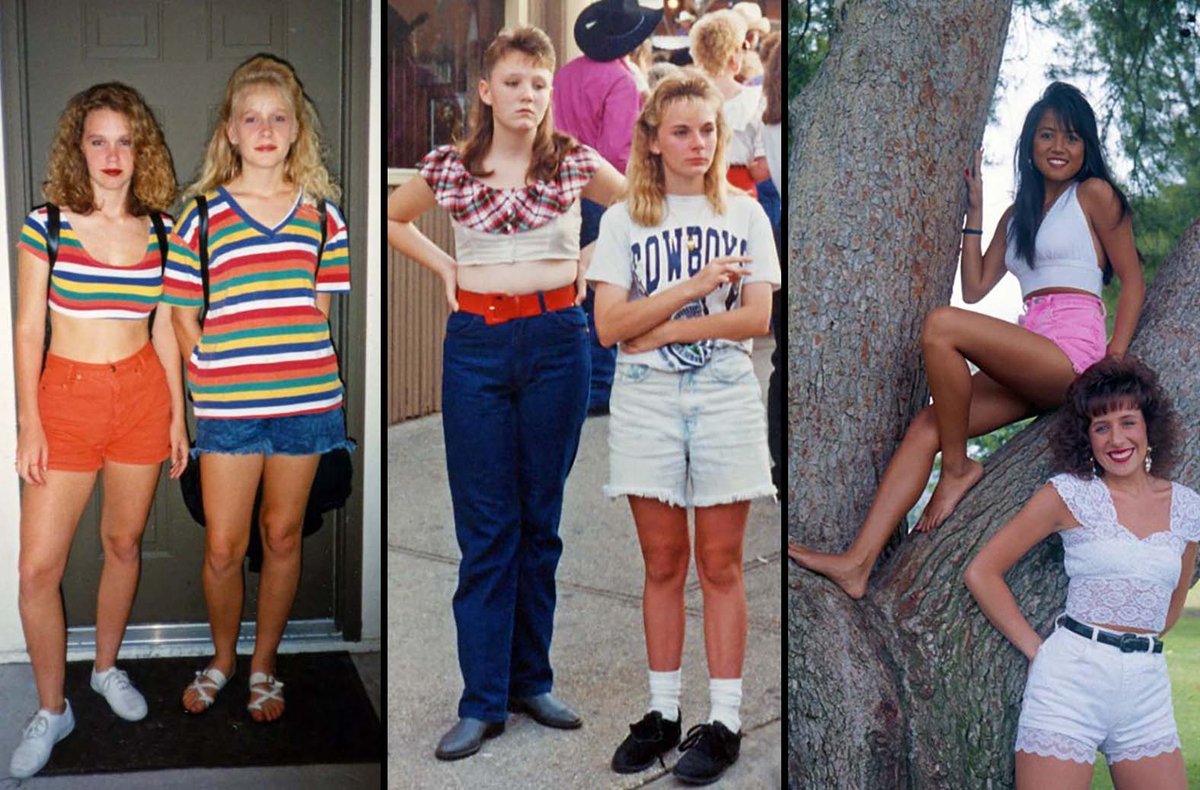
Remember cruising in your friend’s car with the windows down, belting out your favorite 1990 pop songs at the top of your lungs? The 90s were a musical kaleidoscope, a wild mix of genres and artists that somehow all worked together to create a decade-defining sound. From sugary sweet bubblegum pop to the angst-ridden cries of grunge, there was something for everyone on the radio.
At a glance:
- The 1990s saw the rise of grunge, the evolution of hip-hop, and a resurgence of country music.
- Female artists like Mariah Carey, Whitney Houston, and Janet Jackson dominated the charts.
- Boy bands took over the hearts of teenagers worldwide.
- One-hit wonders and dance crazes popped up seemingly overnight.
Let's dive into the hits and the artists that etched their names into pop music history during one of its most diverse eras.
The Reigning Queens of Pop
The 90s were a golden age for female pop stars. These women weren't just singers; they were icons, trendsetters, and powerful voices shaping the decade's sound.
- Mariah Carey: With her unparalleled vocal range and effortless charisma, Mariah Carey ruled the charts. Having the most #1 hits of any artist during the 1990s, one track that announced her arrival was "Vision of Love."
- Whitney Houston: Whitney's powerhouse vocals were undeniable. And who could forget "I Will Always Love You," which secured its place as one of the biggest pop hits ever.
- Janet Jackson: Janet brought a new level of artistry and choreography to pop music. Her album Rhythm Nation 1814, though released in 1989, continued its influence well into the 90s with singles like "Escapade."
These women weren't just selling records; they were defining what it meant to be a female artist in the 1990s.
Boy Bands Take Center Stage
The 90s boy band craze was a force of nature. Groups like Backstreet Boys, *NSYNC, and Boyz II Men dominated the airwaves and teen magazines alike.
- Backstreet Boys: The kings of the 90s boy bands, Backstreet Boys delivered the perfect blend of catchy melodies, coordinated dance moves, and swoon-worthy looks. Tracks like "I Want It That Way" became instant classics.
- Boyz II Men: Offering smooth harmonies and heartfelt ballads, Boyz II Men owned the R&B side of the boy band spectrum. In fact, the ballad for Boomerang’s soundtrack was released in 1992.
What made these bands so popular? It was a combination of catchy songs, carefully crafted images, and a genuine connection with their fans.
The Grunge Revolution
While pop princesses and boy bands were battling for chart supremacy, a different sound was brewing in the Pacific Northwest. Grunge exploded onto the scene, bringing with it a raw, angsty energy that resonated with a generation.
- Nirvana: Nirvana was the band that brought grunge to the mainstream. "Smells Like Teen Spirit" became an anthem for disillusioned youth, a raw, powerful sound that changed the landscape of popular music.
- R.E.M.: Before grunge, R.E.M. was paving the way for alternative rock. "Losing My Religion" was a breakthrough hit that proved alternative music could be both critically acclaimed and commercially successful.
Grunge was more than just a genre; it was a cultural movement. It challenged the status quo and gave voice to a generation searching for something real.
One-Hit Wonders and Dance Crazes
The 90s were full of fleeting musical moments—songs that burned bright and then faded away, leaving behind a trail of nostalgia. Some songs, like "Macarena", became initially popular, but were later considered overplayed. And who could forget "Whoomp! (There It Is)": a popular party single that filled dance floors faster than you could say "throw your hands in the air"?
These one-hit wonders and dance crazes were a perfect reflection of the 90s—fun, quirky, and a little bit ridiculous.
Rock Reimagined
While grunge dominated one side of the rock spectrum, other artists were pushing the genre in different directions.
- Alanis Morissette: Her debut album, "Jagged Little Pill," delivered a shock wave through the music industry. Her honest and confessional lyrics resonated with millions, and her unapologetic attitude was a breath of fresh air.
- Santana: Later in the decade, Carlos Santana created a fusion of Latin guitar and post-grunge vocals in "Smooth" featuring Rob Thomas.
From grunge to alternative to a Latin infusion, the 90s were a dynamic decade for the evolution of rock music.
Hip-Hop's Golden Era Continues
The 90s saw hip-hop solidify its place as a dominant force in popular music.
- Jay-Z: As one of the best East Coast rappers, Jay-Z rose to prominence, laying the foundation for his future empire.
- Coolio: With "Gangsta's Paradise," Coolio shifted his focus to social commentary, proving that hip-hop could be both entertaining and thought-provoking.
Hip-hop in the 90s was all about pushing boundaries, experimenting with new sounds, and telling stories that reflected the realities of life in urban America. To delve deeper into the genre’s roots, you can explore 90s Musics Biggest Stars.
The International Influence
The 90s were more global than ever before and saw a broader range of international sounds cross over into mainstream pop, with the chart debut of Dolores O'Riordan of The Cranberries with "Linger." Dancehall music came to the mainstream, while Roxette explored themes of love and loss when they performed "It Must Have Been Love."
Unexpected Collaborations and Revivals
The 90s weren't afraid to mix things up, leading to some unexpected collaborations and revivals of older hits. Linda Ronstadt and Aaron Neville proved that opposites attract with "Don't Know Much."
Elton John reworked "Candle in the Wind" in 1997 following Princess Diana's death, creating his best-selling single from an already-beloved song.
New Jack Swing & R&B's Fresh Sound
New Jack Swing, a fusion of hip-hop beats and R&B vocals, exploded onto the scene, giving R&B a fresh, energetic sound. Bell Biv Devoe's "Poison" was a prime example of this genre blending. Janet Jackson's "Escapade" also made waves. This era also brought us iconic ballads performed by Sinead O’Connor, who sang "Nothing Compares 2 U."
Electronica's Rise
The 1990s saw the rejuvenation of electronica through visionary artists like Fatboy Slim and The Chemical Brothers. Their innovative sounds and beats pushed the boundaries of music, laying the groundwork for the EDM boom of the following decades.
More Than Just Music: The Cultural Impact
The 1990s were more than just a collection of catchy tunes; they were a cultural phenomenon. The music reflected the changing times, the anxieties, and the hopes of a generation. Songs like Wilson Phillips' "Hold On," delivered messages of hope.
The fashion, the dance crazes, and even the slang were all influenced by the music of the decade. The sounds of 1990 pop songs are forever intertwined.
Reliving the Magic: Keeping the 90s Alive
Want to take a trip down memory lane? Here are a few ways to relive the magic of 1990 pop songs:
- Create a 90s playlist: Dig out your old CDs and mixtapes, or stream your favorite tunes online.
- Watch 90s music videos: Relive the fashion, the dance moves, and the overall vibe of the decade.
- Attend a 90s-themed party: Dress up in your best 90s attire and dance the night away to your favorite throwback hits.
Don't forget to check out Remembering Iconic 90s Pop for more on the songs that defined the latter half of the decade.
The Legacy of 1990 Pop Songs
The 1990s may be over, but the music lives on. The songs of the decade continue to be played on the radio, streamed online, and sampled by new artists. They're a reminder of a time when music was diverse, experimental, and always evolving.
The 1990s were a truly unique and unforgettable decade for pop music. It was a time of experimentation, innovation, and a whole lot of fun. So, crank up your favorite 90s jams and get ready to relive the magic. Want to explore the specific songs that ruled the charts? Relive the 1990s Charts and discover the hits that topped the billboard. If you are curious about the top 100 hits from 1990, then check out the top 100 hits 1990.