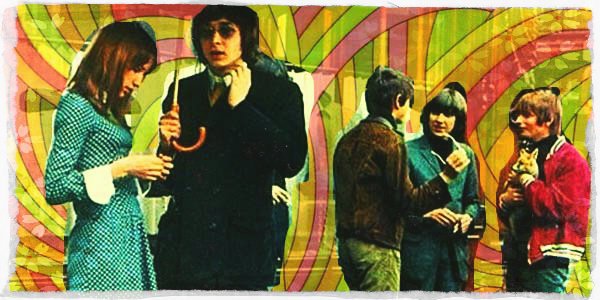
The 1960s. A decade of change, upheaval, and, of course, groundbreaking music. When you think of 1960s rock and roll songs, what comes to mind? Psychedelic soundscapes? British Invasion anthems? While those certainly defined the era, the Billboard charts reveal a more mainstream story, a collection of surprisingly "happy, fun, even safe" songs that dominated the airwaves and captured the hearts of millions.
At a glance:
- The 1960s saw a collision of musical styles, from surf rock to soul.
- The British Invasion dramatically reshaped the landscape of rock and roll.
- Many of the biggest hits were surprisingly mainstream, despite the era's counterculture.
- Innovation in the studio led to iconic sounds and production techniques.
- The decade's music provided a soundtrack for social and political change.
How "Safe" Songs Still Rocked the Charts
It's easy to romanticize the 1960s as purely a time of rebellious rock, but the songs that truly topped the charts paint a different picture. While The Beatles were pushing boundaries, they were also churning out catchy, universally appealing hits like “Hello, Goodbye.” And while Jimi Hendrix was melting faces with his guitar, Bobby Vinton was serenading the masses with "Blue Velvet." These seemingly "safe" songs, many topping the Billboard charts for multiple weeks (as ultimateclassicrock.com points out, some even for over three weeks), were often musically sophisticated and lyrically relevant, capturing a specific mood or sentiment of the time.
The Titans of the Top: Artists Who Ruled the Airwaves
Several artists consistently dominated the charts throughout the '60s, leaving an undeniable mark on rock and roll history.
- The Beatles: No surprise here! They conquered the world with hits like "Hello, Goodbye," "Help!," "I Feel Fine," "We Can Work It Out," "Yesterday," "Get Back," and the monumental "Hey Jude." You could practically measure the decade in Beatles singles.
- Motown's Finest: Groups like The Supremes, The Temptations, and The Four Tops brought smooth harmonies and infectious rhythms to the forefront, consistently landing hits.
- Roy Orbison: With his signature soaring vocals, Orbison delivered timeless classics like "Oh, Pretty Woman" and "Only the Lonely."
- Simon & Garfunkel: Their folk-rock sensibilities and poetic lyrics resonated deeply, exemplified by "Mrs. Robinson."
British Invasion: A Two-Way Street
The British Invasion wasn't just about British bands conquering America; it was a musical exchange. Bands like The Beatles and The Rolling Stones drew heavily from American blues, R&B, and early rock and roll. They then repackaged it with a distinctly British sensibility, creating a sound that captured the world's attention. This wasn't just a one-way street though. As these bands drew inspiration from American artists, they also revitalized American music. If you're looking for a deep dive into more Essential 60s rock anthems, you'll find a ton of British bands represented.
Genre Bending: Where Rock Met Everything Else
The 1960s wasn't just about straightforward rock and roll; it was a melting pot of musical styles constantly pushing against each other.
- Surf Rock: Instrumental bands like The Ventures captured the sun-drenched California vibe with twangy guitars and driving rhythms.
- Folk Rock: Bob Dylan and The Byrds blended folk's storytelling with rock's energy, creating a new genre with lasting impact.
- Soul and R&B: James Brown, Aretha Franklin, and countless others brought raw emotion and infectious energy to the charts, influencing countless rock artists.
- Early Electronic Rock: The Tornados' "Telstar" showcased the potential of synthesizers in rock music, a path that would be further explored in the decades to come.
- Instrumental Rock: Paul Mauriat's "L'amour est Bleu" proved that instrumental tracks could reach mainstream success and popularity.
Tech Innovations That Shaped the Sound
The 1960s were a time of rapid technological advancements, and music production was no exception. These innovations helped shape the iconic sounds of the era.
- Guitar Feedback: The Beatles intentionally used guitar feedback in "I Feel Fine," creating a unique and previously unheard sound.
- The Wall of Sound: Producer Phil Spector's "Wall of Sound" technique, famously used on The Beach Boys' recordings, created a dense, layered sonic landscape.
- Sampling: The Box Tops' "The Letter" featured an airplane sound bite, showcasing an early (and somewhat rudimentary) example of sampling in music.
More Than Just Music: Lyrical Themes and Social Commentary
While many chart-topping songs were lighthearted, others reflected the social and political turmoil of the decade.
- Unity and Equality: Sly and the Family Stone's "Everyday People" became an anthem for unity and acceptance during a time of significant social change.
- Anti-War Sentiment: Though not always explicitly anti-war, some songs hinted at the growing unease and disillusionment with the Vietnam War.
- Social and political upheaval: Barry Sadler's "The Ballad of the Green Berets" reflected sentiments during a turbulent time, though it was also a controversial hit.
A Deeper Dive: Chart Toppers and Lasting Impact
Let’s examine some of the longest-reigning number-one hits from the 1960s, songs that spent at least three weeks at the top of the Billboard Hot 100.
Multi-Week Chart-Toppers:
| Artist | Song | Weeks at #1 |
|---|---|---|
| The Beatles | Hey Jude | 9 |
| The Beatles | Get Back | 5 |
| Paul Mauriat & His Orchestra | Lamour est Bleu | 5 |
| The Four Seasons | Sherry | 5 |
| Jimmy Gilmer and the Fireballs | Sugar Shack | 5 |
| Barry Sadler | The Ballad of the Green Berets | 5 |
| Bobby Goldsboro | Honey | 5 |
| Lulu | To Sir With Love | 5 |
| Del Shannon | Runaway | 4 |
| Tommy Roe | Dizzy | 4 |
| The Monkees | Daydream Believer | 4 |
| The Box Tops | The Letter | 4 |
| The Association | Windy | 4 |
| Sly and the Family Stone | Everyday People | 4 |
| The Beatles | Yesterday | 4 |
| The Beatles | Hello, Goodbye | 3 |
| The Beatles | Help! | 3 |
| The Beatles | I Feel Fine | 3 |
| The Beatles | We Can Work It Out | 3 |
| Simon & Garfunkel | Mrs. Robinson | 3 |
| The Shirelles | Soldier Boy | 3 |
| The Tornados | Telstar | 3 |
| Paul & Paula | Hey Paula | 3 |
| Chubby Checker | Pony Time | 3 |
| Johnny Preston | Running Bear | 3 |
| The Tokens | The Lion Sleeps Tonight | 3 |
| The New Vaudeville Band | Winchester Cathedral | 3 |
| Bobby Vinton | Blue Velvet | 3 |
| The Mamas & the Papas | Monday, Monday | 3 |
| Roy Orbison and the Candy Men | Oh, Pretty Woman | 3 |
| The Doors | Light My Fire | 3 |
| The Turtles | Happy Together | 3 |
The Enduring Legacy: Why 1960s Rock Still Matters
The 1960s was a unique moment in music history, and its impact is still felt today. The decade's rock and roll songs, from the bubblegum pop to the psychedelic experiments, shaped popular culture and continue to inspire artists across genres. Essential 60s rock anthems often top "best of" lists precisely because of this lasting impact. The technical innovations, the lyrical themes, and the sheer energy of the music created a cultural phenomenon that continues to resonate with audiences of all ages.
Your 1960s Rock and Roll Playlist Starter Kit
Want to explore the sounds of the '60s? Here's how to get started:
- Start with the Beatles: It's the obvious choice, but for good reason. Their discography offers a diverse range of styles and sounds.
- Explore Motown: Dive into the catalogs of The Supremes, The Temptations, and The Four Tops for a taste of soulful harmonies and irresistible rhythms.
- Sample the British Invasion: Beyond The Beatles, check out The Rolling Stones, The Who, and The Kinks for a grittier, more rebellious sound.
- Don't forget the one-hit wonders: Bands like The Tokens, The New Vaudeville Band, and Jimmy Gilmer and the Fireballs offer unique and memorable sounds.
- Listen to the music: Explore beyond greatest hits compilations to discover hidden gems and lesser-known tracks. You might find your new favorite song!
The 1960s offer a rich and diverse musical landscape. With a little exploration, you'll uncover the decade's timeless classics.